How a Busbar processing machine Enhances Power Cabinet Manufacturing
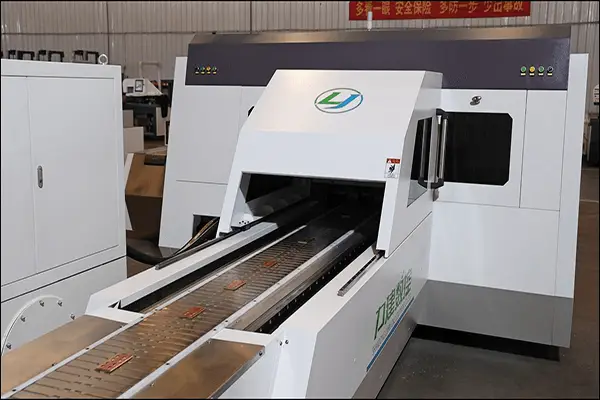
In the age of electrical automation and high-volume energy distribution, power cabinet manufacturing must evolve to meet growing industrial demands. A key component of this transformation is the adoption of busbar processing machines—advanced equipment that shapes, punches, cuts, and bends copper or aluminum busbars used in electrical panels, switchgear, and transformer cabinets. These machines improve manufacturing workflows by replacing multiple manual tasks with a single automated process, delivering greater precision, reduced production time, and consistent quality.
Introduction to Busbar Processing Machines
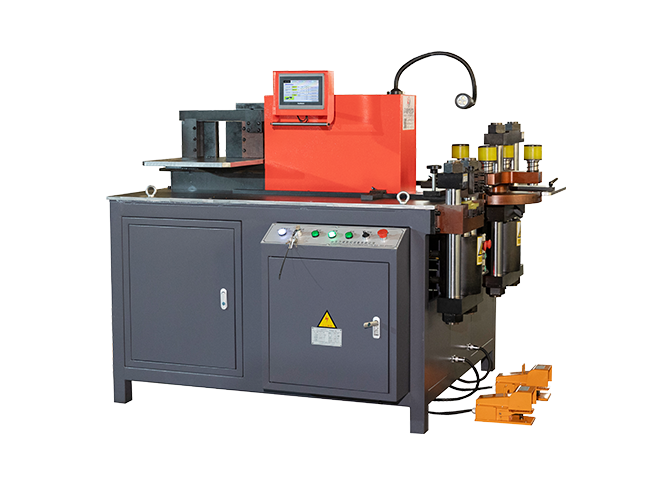
Busbar processing machines are specialized tools engineered to streamline the production of busbars—conductive metal strips that carry large currents within electrical enclosures. These machines are typically CNC-controlled, offering multiple functions such as punching, bending, shearing, chamfering, and embossing in a compact and programmable format. Their integration into power cabinet production lines represents a leap in manufacturing technology.
Types of Busbar Processing Machines:
- Punching Machines: Create holes and slots for component connections.
- Bending Machines: Shape busbars to fit specific configurations within enclosures.
- Shearing Machines: Cut raw busbar material to exact lengths.
- Chamfering Machines: Smooth and round edges to enhance safety and fit.
Modern busbar machines are often multifunctional, combining these capabilities in a single automated system for greater convenience and cost efficiency.
Enhancing Efficiency in Power Cabinet Manufacturing
1. Faster Production Cycles
Manual processing of busbars is labor-intensive and time-consuming. Busbar machines reduce production time by handling multiple operations in a single pass. A CNC-controlled system can execute complex instructions in seconds, greatly accelerating output.
2. Improved Consistency and Accuracy
Precision is critical in electrical systems, where millimeter-level discrepancies can cause performance issues. Busbar machines ensure repeatability and minimize human error, making them indispensable for high-volume production environments.
3. Optimized Workflow Integration
Busbar processing machines are designed for easy integration into existing production lines. They support digital inputs via CAD/CAM software and can be programmed for batch operations, enabling streamlined job transitions and uninterrupted workflows.
4. Reduced Material Waste
CNC programming allows for optimal material usage. Precise measurements and cuts reduce scrap material and save on raw copper or aluminum costs.
Key Features That Improve Power Cabinet Production
A. CNC Control Systems
The inclusion of CNC (Computer Numerical Control) technology is a game-changer. It allows operators to pre-program complex layouts, angles, and patterns, minimizing manual input and eliminating guesswork.
B. Hydraulic and Servo Systems
Hydraulic force and servo-driven motors provide the power and precision needed for heavy-duty bending and punching tasks. This ensures that even thick busbars are processed cleanly and accurately.
C. Multi-Functionality
Integrated machines capable of punching, shearing, and bending without the need to switch stations reduce the total floor space required and boost operational speed.
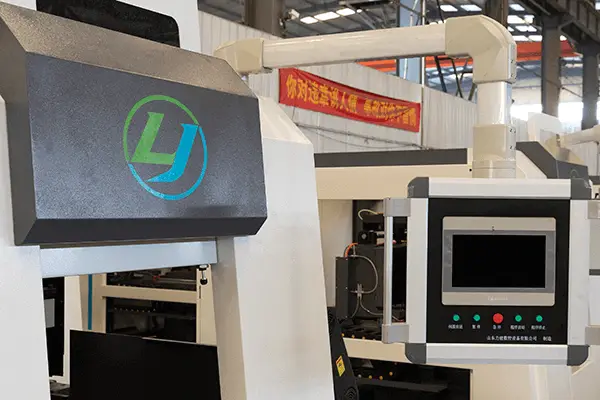
D. Touchscreen Interfaces and Smart Operation
Modern interfaces simplify operation through intuitive menus, real-time feedback, and error diagnostics. Operators can monitor process flow, make adjustments, and reduce downtime.
Applications in Power Cabinet Manufacturing
Power cabinets, also known as electrical enclosures or control panels, house the key components of electrical distribution systems. The busbars within these cabinets must be precisely fabricated to route power safely and efficiently.
Common Applications:
- Switchgear Cabinets
- Control Panels
- Distribution Boards
- Transformers and Substations
- Renewable Energy Cabinets (e.g., solar inverter enclosures)
Advantages for Electrical Manufacturers
1. Scalability
Busbar processing machines support both small batch and high-volume production, allowing manufacturers to scale their operations as demand increases.
2. Labor Savings
Automation reduces reliance on skilled manual labor, lowering labor costs and addressing workforce shortages.
3. Improved Safety
Built-in safety systems and smooth-edged processing reduce the risk of workplace injuries, ensuring compliance with safety regulations.
4. Enhanced Product Quality
Consistent and precise fabrication results in better-fitting components, improved electrical conductivity, and higher overall product quality.
Environmental and Economic Benefits
In addition to operational advantages, busbar machines contribute to sustainability by minimizing material waste, optimizing energy use, and supporting recyclable processes. These benefits align with the global push toward greener manufacturing.
- Energy Efficiency: Reduced processing time means lower electricity consumption.
- Material Conservation: CNC precision reduces scrap waste.
- Recyclable Offcuts: Clean cuts and predictable waste make recycling easier.
Future-Proofing with Industry 4.0 Compatibility
Busbar processing machines are increasingly designed with Industry 4.0 in mind. They can connect to smart factory ecosystems via Ethernet or wireless networks, enabling predictive maintenance, remote diagnostics, and real-time production monitoring.
Industry 4.0 Features Include:
- Cloud-based data storage
- Machine-to-machine communication
- AI-assisted process optimization
- Smart sensor feedback systems
Choosing the Right Busbar Machine for Your Needs
When selecting a busbar processing machine for power cabinet manufacturing, consider factors such as:
- Material compatibility (copper, aluminum)
- Busbar dimensions (width, thickness)
- Required operations (bending, punching, cutting, chamfering)
- Level of automation and digital integration
- Space and power requirements
Conclusion
As power cabinet manufacturing continues to evolve in speed, scale, and complexity, the role of the busbar processing machine has never been more essential. With the ability to improve efficiency, precision, and safety, these machines represent a smart investment for manufacturers looking to stay competitive in a high-demand market. By integrating cutting-edge technologies and sustainable practices, the future of power cabinet production is efficient, intelligent, and environmentally responsible.