Introduction
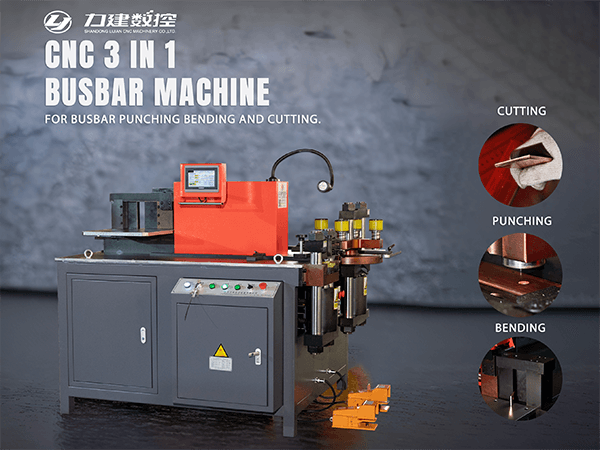
Busbars play a crucial role in distributing electrical power. To ensure efficiency and precision, a bus bar bending machine is used. This machine not only automates the bending process but also reduces labor costs while maintaining high accuracy. Consequently, it has become an essential tool in the manufacturing of electrical panels and switchgear.
What is a BusBar Bending Machine?
A bus bar bending machine is specifically designed to bend copper or aluminum busbars into precise shapes. These bent bars are then used to connect electrical components in power distribution systems. Moreover, the machine can bend the busbars to different angles, depending on the specific requirements of the project.
How Does it Work?
The process begins by feeding the busbar into the machine. Using hydraulic or CNC technology, the machine applies controlled force to bend the bar into the desired shape. Furthermore, adjustments to settings allow operators to control the angle, bend radius, and other parameters, ensuring accuracy and consistency in every piece.
Why Use it?
The advantages of using a bus bar bending machine are clear. Firstly, it speeds up the production process, allowing for faster project completion. Secondly, it enhances precision, eliminating the possibility of human error. As a result, the machine improves overall quality. Finally, automation significantly reduces labor costs, making it a cost-effective solution for large-scale electrical projects.
Maintenance and Care
To keep the machine running smoothly, regular maintenance is essential. Cleaning, lubricating, and inspecting the machine can prevent breakdowns and extend its lifespan. Additionally, operators should be trained to adjust settings and perform basic troubleshooting. This ensures minimal downtime during operations, further improving efficiency.
Conclusion
In conclusion, investing in a bus bar bending machine is a smart move for any electrical manufacturing business. It offers faster production, higher precision, and lower operational costs. By automating the bending process, businesses can improve efficiency and deliver high-quality products on time, ultimately gaining a competitive edge in the market.