Why Busbar Bending Calculation Matters
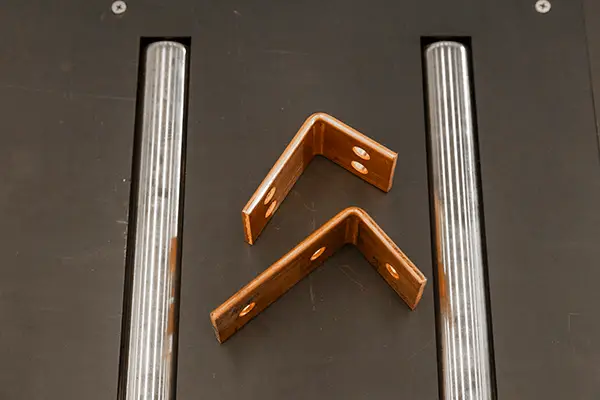
Busbar bending calculation plays a crucial role in modern electrical equipment manufacturing. Electrical panels, switchgear systems, and power distribution cabinets all require precisely bent copper or aluminum busbars. Therefore, engineers must calculate bending dimensions accurately before fabrication begins.
Correct calculations improve installation efficiency and reduce material waste. In addition, they ensure that the final busbar structure fits perfectly inside electrical assemblies. Without proper calculation, bending errors often lead to alignment problems, electrical clearance issues, and costly rework.
Moreover, precise bending directly affects electrical reliability. When technicians control the bending radius and angle carefully, the busbar maintains structural strength and optimal conductivity. As a result, manufacturers increasingly rely on advanced CNC equipment to improve calculation accuracy and production efficiency.
Companies such as LiJian® busbar machine (www.lijianbusbarmachine.com) focus on developing high-precision busbar processing machines that support accurate bending operations.
Key Factors in Busbar Bending Calculation
Material Type
First, engineers must consider the material. Copper and aluminum behave differently during bending.
Copper offers excellent ductility. Therefore, it allows tighter bending radii without cracking. Aluminum, however, requires a larger bending radius because it has lower plasticity.
Busbar Thickness and Width
Next, the thickness and width of the busbar strongly influence the bending result. Thicker busbars require greater bending force and larger radii. Meanwhile, wider busbars demand stable tooling to maintain dimensional accuracy.
For example, a thick copper busbar may require hydraulic bending equipment with strong pressure control.
Bending Radius and Angle
The bending radius determines how sharply the busbar bends. A radius that is too small may damage the outer surface of the material. Consequently, manufacturers usually follow this practical guideline:
| Material | Minimum Bending Radius |
|---|---|
| Copper Busbar | 1 × Thickness |
| Aluminum Busbar | 1.5 × Thickness |
In addition, the bending angle affects the developed length of the busbar. Engineers must calculate this value before cutting the material.
Basic Formula for Busbar Bending Calculation
Bend Allowance
Bend allowance determines the length of the curved section during bending.
Formula:
Bend Allowance = (π × Angle × (R + K × T)) / 180
Where:
- R = inside bending radius
- T = busbar thickness
- K = neutral axis factor (usually 0.3–0.5)
- Angle = bending angle
This formula helps engineers determine the correct flat length before bending.
Springback Compensation
Metal naturally recovers slightly after bending. This effect is known as springback. Therefore, operators normally increase the bending angle slightly to achieve the desired final angle.
Typical values include:
- Copper springback: 2°–3°
- Aluminum springback: 3°–5°
CNC bending machines can automatically compensate for this effect, which significantly improves accuracy.
Improving Bending Accuracy with CNC Busbar Machines
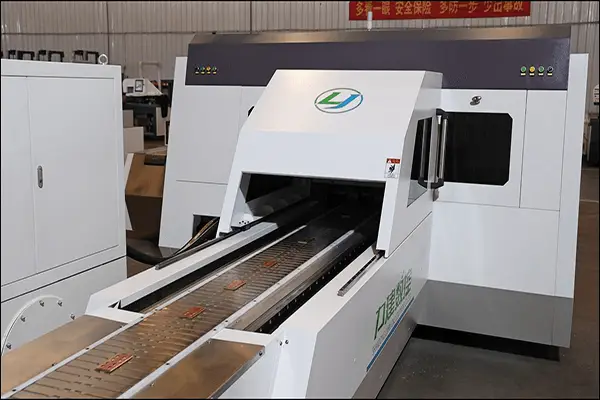
Modern CNC busbar processing machines greatly simplify bending calculations. These machines integrate punching, cutting, and bending functions into one automated system.
First, operators enter the busbar dimensions and bending angle into the control system. Then the machine calculates the required parameters automatically. As a result, production becomes faster and more consistent.
Furthermore, advanced servo systems improve positioning precision and reduce manual adjustment. Manufacturers therefore achieve higher productivity and lower labor costs.
LiJian® busbar machine specializes in high-performance busbar processing equipment for global electrical manufacturers. The company provides reliable CNC busbar bending machines that help customers achieve precise bending results and efficient production.
Learn more at:
www.lijianbusbarmachine.com