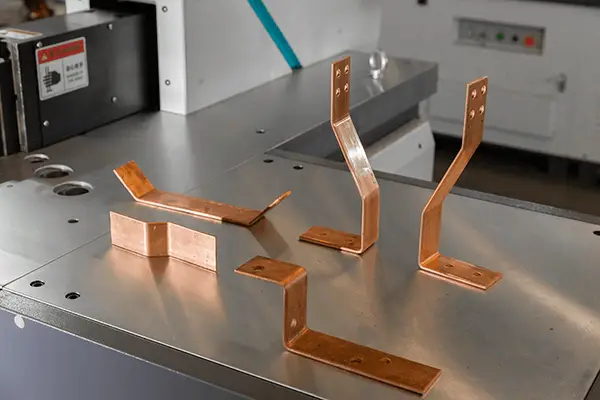
Busbar bending plays a crucial role in electrical equipment manufacturing. Switchgear panels, transformers, and distribution cabinets require busbars with precise angles and exact dimensions. Therefore, engineers must understand the busbar bending formula to achieve accurate results during production.
Correct bending calculations improve installation efficiency and reduce material waste. In addition, precise bending ensures reliable electrical connections and stable system performance. For manufacturers using advanced equipment from LiJian® busbar machine, proper bending formulas combined with CNC technology significantly improve processing accuracy.
Understanding the Principles of Busbar Bending
Busbar bending changes the shape of copper or aluminum conductors through controlled deformation. During the bending process, different parts of the material behave differently.
First, the outer surface of the busbar stretches as the material bends. Meanwhile, the inner surface compresses due to the bending force. Between these two regions lies the neutral layer, where the material length remains unchanged.
Because of these mechanical changes, the flat length of the busbar must include bending allowance. Otherwise, the final product may not match the required dimensions. Therefore, engineers use bending formulas to calculate the correct length before processing.
Furthermore, several factors influence bending calculations, including busbar thickness, bending radius, and bending angle. Each parameter directly affects the final geometry of the busbar.
The Standard Busbar Bending Formula
Manufacturers commonly apply a bending allowance formula derived from metal forming principles. This formula helps determine the additional length required for bending.
Bending Allowance Calculation
The general formula is:
BA = (π ÷ 180) × Bend Angle × (Bend Radius + K × Thickness)
In this equation:
- BA represents the bending allowance
- Bend Angle refers to the required bending angle
- Bend Radius indicates the radius of the bending tool
- Thickness refers to the busbar thickness
- K Factor represents the neutral axis coefficient
Typically, the K factor ranges between 0.3 and 0.5 depending on the material and bending conditions.
Flat Length Calculation
After calculating the bending allowance, engineers determine the final flat length of the busbar:
Flat Length = Straight Length + Bending Allowance
This calculation ensures that the finished busbar achieves the correct dimensions after bending.
Factors That Improve Busbar Bending Accuracy
Accurate formulas provide a solid foundation. However, manufacturers must also consider several practical factors during production.
Material Properties
Copper busbars offer excellent ductility and conductivity. Therefore, they tolerate bending with minimal risk of cracking. Aluminum busbars require more careful bending control because they have lower ductility.
Proper Bending Radius
A suitable bending radius reduces material stress. In most applications, engineers select a bending radius that equals one to two times the busbar thickness. This approach improves structural reliability.
CNC Bending Machine Precision
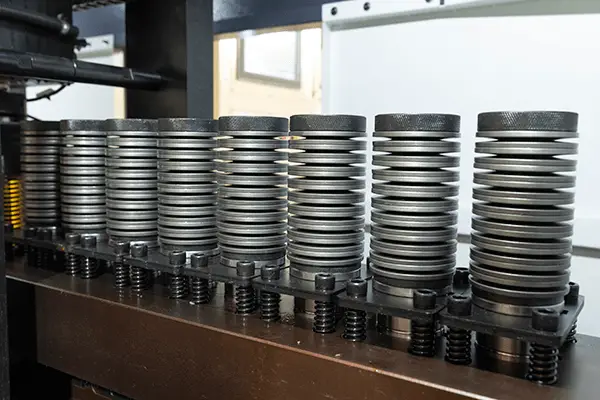
Modern CNC bending machines significantly improve accuracy. Operators input bending parameters directly into the control system. Then the machine executes the bending process with consistent precision.
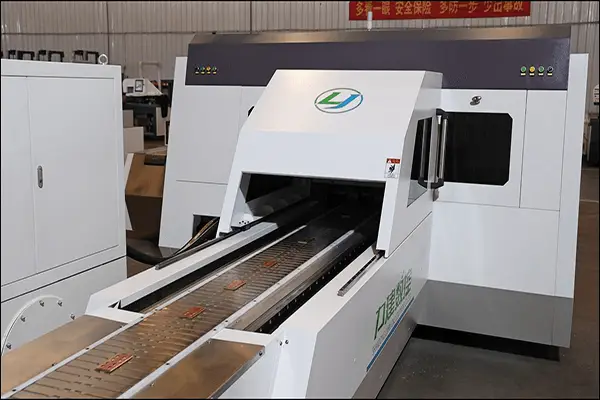
Advanced equipment from LiJian® busbar machine supports programmable bending control. As a result, manufacturers achieve stable bending angles and repeatable results.
Springback Compensation
Metal naturally attempts to return slightly toward its original shape after bending. Therefore, operators usually add a small compensation angle during processing. This adjustment ensures the final angle meets design requirements.
Conclusion
The busbar bending formula forms the technical foundation for accurate busbar fabrication. Proper calculation of bending allowance and flat length ensures that busbars match the required design dimensions.
At the same time, manufacturers must consider material characteristics, bending radius, and machine precision. When these factors combine with advanced CNC equipment from LiJian® busbar machine, busbar processing becomes more efficient, precise, and reliable for modern electrical manufacturing.