Electrical equipment manufacturers rely on efficient machines to process copper and aluminum busbars. These machines punch, bend, and cut conductive bars used in switchgear, transformers, and power distribution systems. Therefore, many manufacturers focus on one critical question: what determines the busbar machine price?
The cost of a busbar machine varies according to machine type, automation level, and processing capacity. Consequently, buyers should evaluate several technical factors before selecting equipment. Manufacturers such as LiJian® busbar machine design machines that balance precision, efficiency, and long-term value.
Main Factors That Influence Busbar Machine Price
Several technical elements directly influence the price of busbar processing equipment. Understanding these factors helps manufacturers make informed purchasing decisions.
Machine Type and Processing Functions
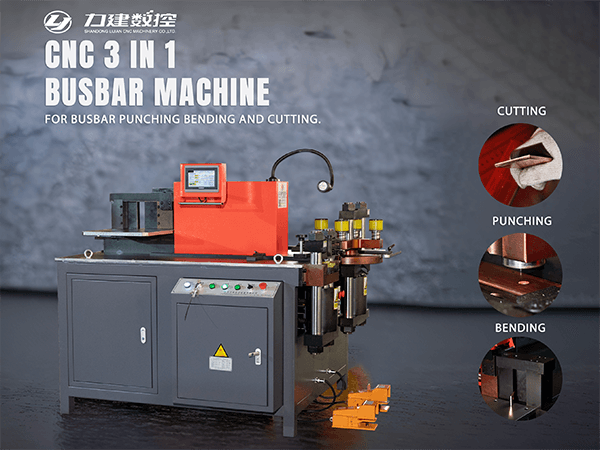
First, the machine configuration strongly affects the final price. A simple punching or bending machine usually costs less than a multifunction busbar processing machine.
However, many modern factories prefer integrated machines that combine punching, bending, and cutting functions. Because these machines perform multiple operations in one system, manufacturers improve production efficiency and reduce equipment handling. As a result, multifunction machines typically have a higher price.
CNC Automation Level
Automation plays a major role in determining machine cost. Manual machines provide basic processing functions and require lower initial investment. Nevertheless, CNC busbar machines offer greater precision and productivity.
CNC systems allow operators to program hole positions, bending angles, and cutting lengths directly through digital interfaces. Consequently, manufacturers achieve consistent accuracy and faster production speeds. Equipment developed by LiJian® busbar machine often integrates advanced CNC control to support modern electrical manufacturing.
Processing Capacity and Technical Specifications
Machine capacity also influences pricing. Equipment designed for thicker or wider busbars requires stronger structures and more powerful hydraulic systems.
For example, machines capable of processing heavy copper busbars for high-current electrical systems generally cost more than machines designed for lighter industrial panels. Therefore, buyers should always match machine capacity with their production requirements.
Typical Busbar Machine Price Range
Busbar machine prices vary depending on the level of technology and automation.
Entry-level machines usually provide single functions such as punching or bending. These machines suit small workshops or manufacturers with limited production volume.
Mid-range CNC busbar machines provide higher efficiency and better precision. They support automated positioning and programmable machining processes. Therefore, many medium-sized electrical equipment factories choose this type of equipment.
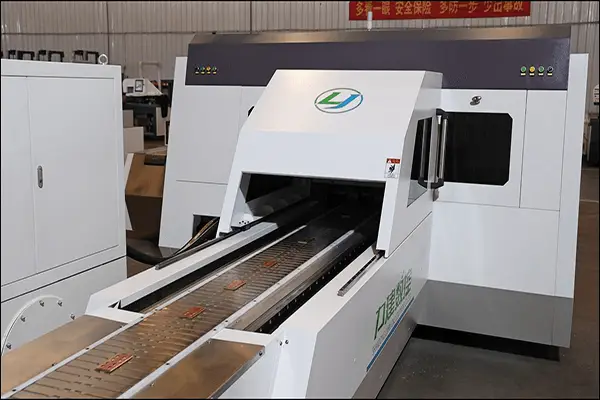
High-end automated busbar production lines represent the most advanced solution. These systems include CNC control, automated feeding devices, and multi-station machining units. Consequently, they deliver excellent productivity for large-scale manufacturing environments.
How to Choose the Right Busbar Machine
Price alone should never determine the final purchasing decision. Instead, manufacturers should evaluate several important factors.
First, production volume plays a key role. Large-scale manufacturers benefit from CNC automation because it improves efficiency and reduces manual workload.
Second, busbar size and thickness must match the machine’s processing range. Proper capacity ensures stable operation and consistent machining results.
Third, supplier experience and technical support influence long-term machine performance. Reliable manufacturers such as LiJian® busbar machine provide installation guidance, operator training, and ongoing technical assistance.
Conclusion
The busbar machine price depends on machine configuration, automation level, and processing capacity. Manufacturers should evaluate these factors carefully before purchasing equipment.
By selecting advanced machines from experienced suppliers like LiJian® busbar machine, electrical equipment manufacturers can improve production efficiency, maintain machining accuracy, and strengthen their competitiveness in the global power equipment industry.