Why Minimum Bending Radius Matters in Busbar Design
Geometry Influences Mechanical and Electrical Stability
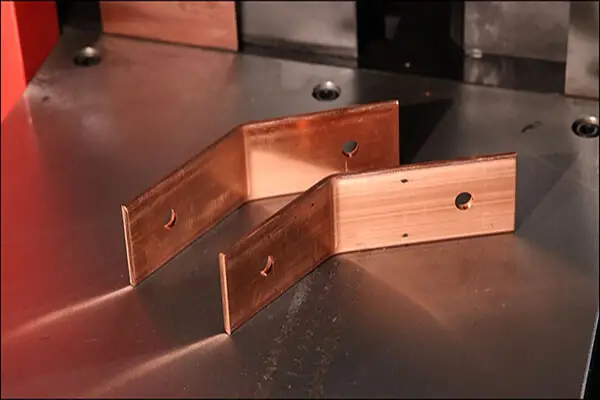
Busbars carry high current inside switchgear, panels, and transformer systems. Therefore, engineers must control every bend with care. When a busbar bends too sharply, internal stress builds up in the metal structure. Over time, this stress leads to cracks, deformation, and reduced reliability.
The busbar minimum radius defines the smallest safe curve that preserves the conductor’s integrity. With the correct radius, the busbar maintains its cross-section, conductivity, and strength. As a result, electrical systems operate more safely and last longer.
Moreover, compact panel designs often tempt manufacturers to create tight bends. However, ignoring radius rules usually creates hidden defects that appear during operation.
Sharp Bends Create Thermal and Structural Risks
Tight bends cause current crowding at the corner of the conductor. Consequently, resistance increases and localized heating occurs. In high-current systems, this heat accelerates aging and weakens the busbar.
In addition, electromagnetic forces during short circuits apply extra stress at bending points. A proper radius distributes these forces more evenly and reduces fatigue.
How Material Type Affects Busbar Minimum Radius
Copper Busbars and Ductility
Copper offers excellent ductility and tolerates deformation better than most conductive metals. Nevertheless, excessive bending still causes work hardening and long-term brittleness.
Engineers commonly apply a simple rule:
Minimum radius = 2 to 3 × busbar thickness for copper.
For example, a 10 mm thick copper busbar should have a bending radius of at least 20–30 mm. This guideline protects the structure while maintaining dimensional accuracy.
Aluminum Busbars and Crack Sensitivity
Aluminum bends more easily, yet it cracks more quickly when the radius becomes too small. Therefore, aluminum busbars require more conservative bending calculations.
In most cases, engineers follow this rule:
Minimum radius = 3 to 5 × busbar thickness for aluminum.
This approach reduces the risk of surface fractures and internal damage that could grow during service.
Practical Calculation and Workshop Application
A Simple Formula for Daily Production
Manufacturers often use a thickness-based formula to determine safe bending:
Minimum Radius = Thickness × Material Factor
Where the material factor equals:
- 2–3 for copper
- 3–5 for aluminum
This method allows quick decisions during busbar fabrication and reduces guesswork on the shop floor.
The Role of Precision Bending Equipment
Accurate control of the busbar minimum radius depends heavily on bending equipment. Manual tools rarely deliver consistent radii and often exceed safe limits.
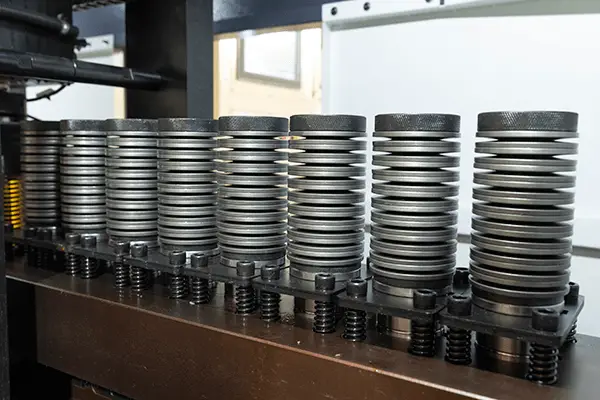
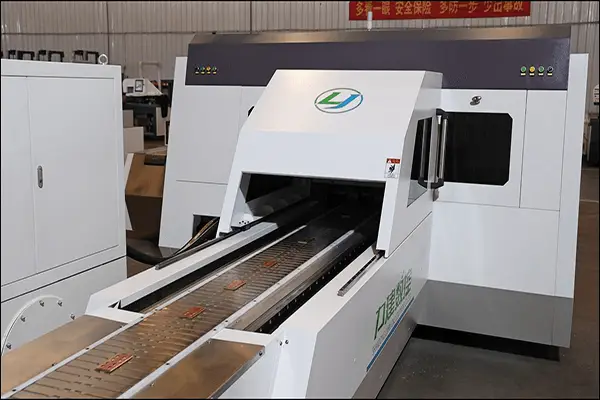
In contrast, LiJian® busbar machine provides precise dies, stable clamping, and controlled force application. Operators can set the required radius easily and repeat it with confidence. Consequently, factories achieve consistent quality across production batches.
Consequences of Ignoring Minimum Radius Guidelines
Hidden Damage During Fabrication
When workers bend busbars below the safe radius, small cracks often form at the inner edge. These defects remain invisible at first. However, vibration, heat, and current load gradually expand the damage.
As a result, the busbar may fail prematurely inside electrical equipment.
Increased Heat and Reduced Conductivity
Sharp bends reduce the effective cross-section of the conductor. Therefore, resistance rises and heat accumulates at the bending point. This problem shortens the service life of both the busbar and the surrounding components.
Why Proper Radius Control Improves Installation and Longevity
Easier Alignment in Panels and Switchgear
Busbars with correct bending radii fit smoothly into electrical assemblies. Installers spend less time adjusting alignment, and mechanical stress during mounting decreases significantly.
Longer Service Life in Harsh Electrical Environments
When manufacturers respect busbar minimum radius principles, the conductors withstand thermal cycling, vibration, and electromagnetic forces more effectively. Consequently, electrical systems remain stable for many years.
Conclusion
The busbar minimum radius represents a fundamental rule in busbar fabrication. It protects material integrity, improves conductivity, and ensures long-term reliability.
By applying correct calculations and using precise equipment such as LiJian® busbar machines, manufacturers produce safer, more durable busbars for modern electrical infrastructure.