Key Features to Look for in a CNC Busbar Processing Machine
In today’s fast-evolving electrical manufacturing sector, precision, productivity, and automation are the cornerstones of efficient production lines. The CNC Busbar processing machine, designed for fabricating copper and aluminum busbars, plays a pivotal role in the assembly of switchgear, power distribution cabinets, and transformer systems. Whether you’re upgrading your facility or investing in a new unit, knowing the essential features of a high-quality CNC busbar processing machine is critical for maximizing output and minimizing downtime.
This guide explores the most important capabilities and design considerations that define a robust and high-performing CNC busbar machine.
Introduction to CNC Busbar Processing Machines
CNC busbar processing machines are computer-controlled systems used to punch, bend, shear, chamfer, and emboss electrical busbars. These machines bring automation and repeatability to tasks traditionally done by hand, reducing labor requirements and ensuring accuracy.
Advanced models combine multiple processes into a single workstation, improving workflow, reducing errors, and increasing overall manufacturing efficiency.
1. Multi-Functionality in a Compact Design
One of the defining characteristics of a modern CNC busbar processing machine is its ability to perform several operations without manual repositioning. Look for models that integrate:
- Punching: Precise hole and slot creation
- Shearing: Accurate cutting of busbar stock
- Bending: Angle and U-bending to exact specifications
- Chamfering: Smooth and safe edge finishes
- Embossing: For serial numbers, cable identifications, or product codes
Multi-functionality reduces floor space requirements, improves throughput, and lowers equipment investment costs.
2. CNC Control System with Smart Interface
A reliable CNC control system is the brain of the machine. Key features include:
- Touchscreen HMI with user-friendly navigation
- CAD/CAM compatibility for design file import
- Real-time monitoring and process visualization
- Multi-language support
Smart control systems simplify training, reduce operator error, and allow for high customization of tasks. Some interfaces include simulation modes, helping operators preview jobs before execution.
3. Precision and Repeatability
Accurate processing is vital in electrical applications, where minor deviations can lead to poor conductivity or component failure. Choose a machine that guarantees:
- Bending repeatability within ±0.2mm
- Punching accuracy within tight tolerances
- Consistent force application through servo or hydraulic controls
Busbar processing machines with high-precision feedback systems ensure consistent results for each piece, regardless of batch size.
4. Hydraulic and Servo-Driven Mechanisms
Power and control are crucial when working with dense copper or aluminum busbars. Machines should feature:
- High-capacity hydraulic systems for clean, high-force operations
- Servo motors for fine movement and position control
- Automatic pressure adjustment based on material thickness and operation type
These mechanisms ensure smooth operation, reduced wear, and longer tool life.
5. Tooling Versatility and Quick Change Systems
The ability to swap out dies and tools quickly increases the machine’s usability across different jobs. Look for:
- Quick-change punch and bending dies
- Adjustable tool holders
- Modular die sets for multiple operations
Versatile tooling options allow manufacturers to accommodate varying busbar sizes and shapes without investing in separate equipment.
6. Material Compatibility and Processing Capacity
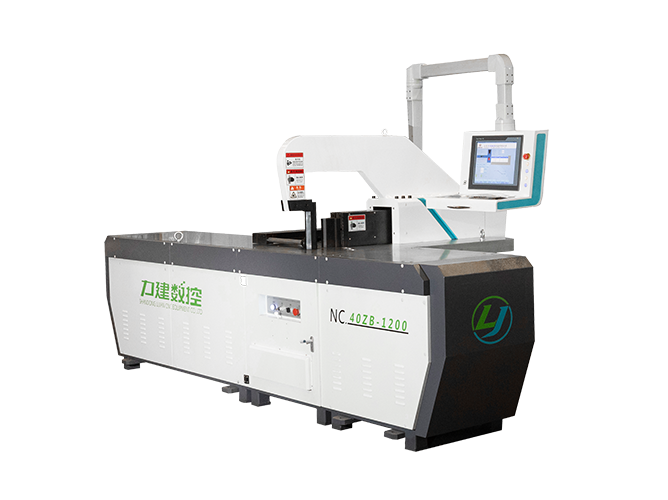
Choose a machine that supports the full range of materials and dimensions relevant to your application. Specifications to consider include:
- Busbar width (commonly up to 200mm or more)
- Thickness capacity (up to 15mm)
- Material support (copper, aluminum)
Larger capacity machines offer future-proofing as production demands evolve.
7. Safety Systems and Compliance
Modern machines are designed with operator safety in mind. Must-have safety features include:
- Safety enclosures with interlock systems
- Emergency stop buttons
- Overload protection
- Anti-slip platforms and ergonomic controls
Additionally, the machine should comply with international safety and electrical standards.
8. Automation and Integration Readiness
For factories embracing Industry 4.0 principles, a CNC busbar machine should integrate smoothly with broader manufacturing systems. Features to look for:
- Barcode and QR code scanning for job setup
- Ethernet and USB data transfer
- Integration with MES/ERP systems
- Automated workpiece feeding and stacking options
These capabilities ensure scalability, traceability, and real-time productivity monitoring.
9. Energy Efficiency and Eco-Friendly Design
As sustainability becomes a core requirement, energy-efficient machines are increasingly favored. Characteristics include:
- Standby modes during inactivity
- Energy recovery systems in hydraulic units
- Low power consumption motors
Not only does this reduce your environmental footprint, but it also lowers operational costs.
10. Maintenance and Support Infrastructure
Ease of maintenance plays a significant role in long-term reliability. Choose equipment that offers:
- Modular construction for easy component access
- Built-in maintenance reminders or diagnostics
- Compatibility with widely available replacement parts
A supplier with strong technical support and training options is also essential for continued productivity.
Applications Across Electrical Industries
CNC busbar processing machines serve diverse sectors, including:
- Switchgear and control panel manufacturing
- Transformer and substation equipment
- Renewable energy systems (solar, wind)
- Marine and transport electrical systems
- Industrial machinery power distribution
Regardless of your niche, the right machine can adapt to multiple applications, improving flexibility and ROI.
Economic and Productivity Benefits
Investing in a well-equipped CNC busbar machine results in:
- Shorter production cycles
- Reduced error rates and rework
- Lower labor dependency
- Improved end-product reliability
The increased output and reduced waste contribute directly to faster ROI.
Final Considerations Before Purchase
Before finalizing a machine purchase, assess:
- Available factory space and layout
- Expected job volume and complexity
- Operator skill level and training needs
- Warranty, service, and upgrade options
Conducting a comprehensive evaluation ensures you invest in a machine that meets your current needs and supports future growth.
Conclusion
The right CNC busbar processing machine is more than just a tool—it’s an integral part of modern electrical manufacturing. From precision and multi-functionality to automation and safety, each feature contributes to higher productivity and consistent quality. As industry requirements evolve, selecting a machine with forward-looking capabilities ensures your operation remains competitive, efficient, and ready for tomorrow’s challenges.