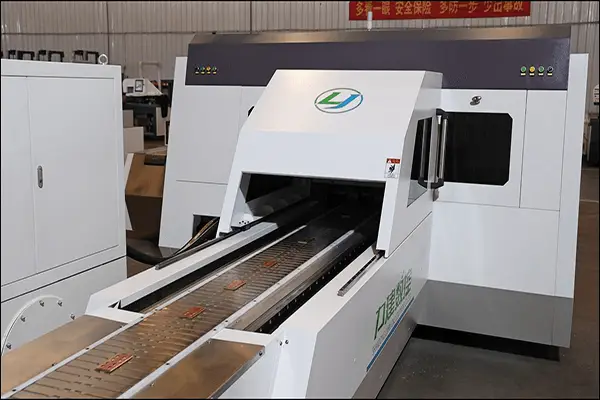
In high-volume switchgear manufacturing, precision is everything. When a CNC busbar punching machine encounters unexpected downtime, it can disrupt production schedules and delay project delivery. Understanding how to diagnose and resolve common technical issues quickly is essential for every maintenance team.
In this article, we will examine practical troubleshooting steps to keep your CNC busbar punching machine running at peak performance.
1. Low Hydraulic Pressure and Punching Weakness
One of the most frequent challenges operators face is a sudden drop in punching force. When the machine struggles to pierce through thick copper or aluminum bars, check the following potential causes:
- Hydraulic Oil Levels: Insufficient oil in the tank prevents the pump from building adequate pressure. Always inspect the fluid level before starting a shift.
- Solenoid Valve Malfunctions: A stuck or faulty valve can disrupt oil flow. Clean or replace the valve if pressure fails to recover.
- Degraded Oil Quality: Old or contaminated hydraulic oil reduces system efficiency. Replacing the fluid annually prevents pressure loss.
2. Inaccurate Hole Positioning and Alignment Errors
Precision is the core advantage of automation. If your CNC busbar punching machine starts producing misaligned holes, immediate calibration is required.
- Check Clamping Fixtures: Loose clamps allow the busbar to shift slightly during the punching cycle. Ensure the material is tightly secured.
- Sensor and Limit Switch Calibration: Dirt or metal shavings around optical sensors can cause positioning errors. Clean the sensor area thoroughly and re-calibrate the axis parameters through the CNC touch screen.
3. Premature Tool Wear and Punch Breakage
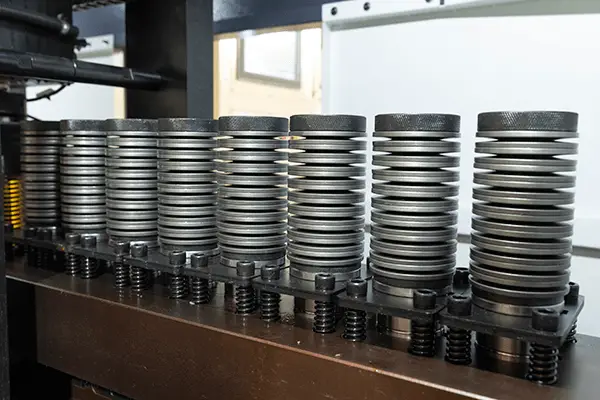
Punching dies endure immense stress during continuous operation. To extend tool life and prevent sudden breaks:
- Material Hardness Check: Ensure the hardness of the copper or aluminum bars matches the rated specifications of your tooling.
- Proper Lubrication: Apply recommended lubricants to the punch pins regularly to minimize friction and heat buildup.
- Timely Replacement: Do not wait for a tool to snap completely. Inspect the cutting edges regularly and replace worn dies proactively.
Conclusion
Maintaining a CNC busbar punching machine requires a combination of routine inspections, clean operational habits, and prompt troubleshooting. By following these maintenance guidelines, you can minimize costly downtime and ensure flawless fabrication results.
Need replacement parts or technical support for your busbar processing equipment? Contact our engineering team today for fast, professional assistance!