Introduction: Streamline Your Electrical Manufacturing Process
In the world of electrical power distribution and panel building, precision, efficiency, and reliability are non-negotiable. The busbar bending machine stands as a cornerstone piece of equipment for achieving these goals. This essential tool transforms raw copper and aluminum bars into precisely shaped components critical for safe and efficient electrical systems. This comprehensive guide will explore what a busbar bending machine is used for, its significant benefits, the different types available, and key factors to consider for your purchase, helping you make an informed decision to boost your workshop’s productivity.
What is a Busbar Bending Machine?
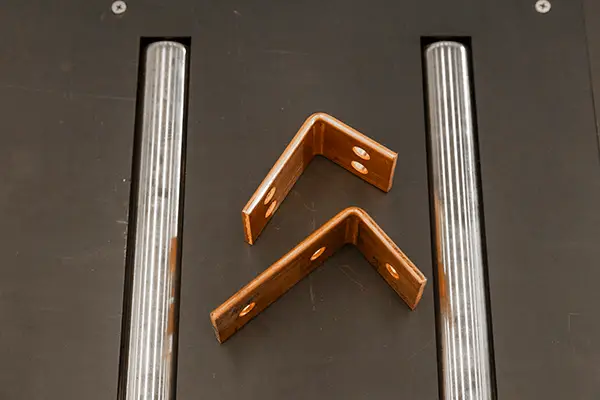
A busbar bending machine is a specialized industrial machine designed to accurately cut, punch, and—most importantly—bend busbars. Busbars are flat strips of conductive metal (typically copper or aluminum) used to distribute electrical power within switchgear, panel boards, substations, and transformers. This machine applies controlled force to shape these bars into specific angles and configurations without compromising their conductivity or structural integrity, ensuring perfect fits for complex assemblies.
Key Applications: Where is it Used?
The versatility of busbar bending machines makes them indispensable across several high-demand sectors:
- Switchgear Manufacturing (HV & LV): For creating the intricate network of conductors inside electrical switchgear assemblies.
- Electrical Panel & Enclosure Building: To produce custom busbars for power distribution panels (PDUs), control panels, and MCCs (Motor Control Centers).
- Transformer Production: For shaping the internal and external connection busbars in transformers.
- Bus Duct & Busway Production: Essential in manufacturing the long runs of enclosed busbars used for power transmission in commercial and industrial buildings.
- Renewable Energy Systems: Used in the construction of switchgear for solar farms and wind turbine power conversion systems.
How Does a Busbar Bending Machine Work?
Modern machines integrate multiple functions. The core bending process involves clamping the busbar securely and using a hydraulic or electric drive system to press a forming tool (the punch) against it. The busbar bends over a precisely positioned die to achieve the desired angle—from simple 90-degree bends to complex offsets and Z-shapes. Advanced models often combine this with shearing (cutting) and hole-punching stations, allowing for complete processing in one setup.
Major Benefits of Using a Professional Bending Machine
Investing in a dedicated busbar bender brings transformative advantages:
- Unmatched Precision & Consistency: Ensures every bend meets exact specifications, crucial for proper fit and electrical safety.
- Dramatically Increased Productivity: Performs bends in seconds compared to manual methods, ideal for both custom jobs and batch production.
- Enhanced Worker Safety: Eliminates the hazardous manual handling of heavy bars and risky makeshift bending techniques.
- Material & Cost Savings: Reduces scrap from inaccurate bends and lowers labor costs per piece.
- Professional Results: Delivers clean, uniform bends that enhance the quality and appearance of the final electrical assembly.
Types of Busbar Bending Machines: Choosing the Right Technology
- Manual/Hydraulic Benders: Operated via levers or buttons, these robust machines are cost-effective for workshops with lower volume or varied, custom bends. They require skilled operators but offer great flexibility.
- CNC Busbar Bending Machines: The pinnacle of efficiency and accuracy. Programmed via computer, these machines automate complex bending sequences with perfect repeatability. They are ideal for high-volume production and complex parts, significantly reducing setup time and operator dependency.
Critical Factors When Choosing Your Machine
Selecting the right machine is vital for ROI. Consider these points:
- Machine Capacity: Determine the maximum busbar width (mm/in), thickness (mm/in), and bending tonnage you need based on the materials you work with most often.
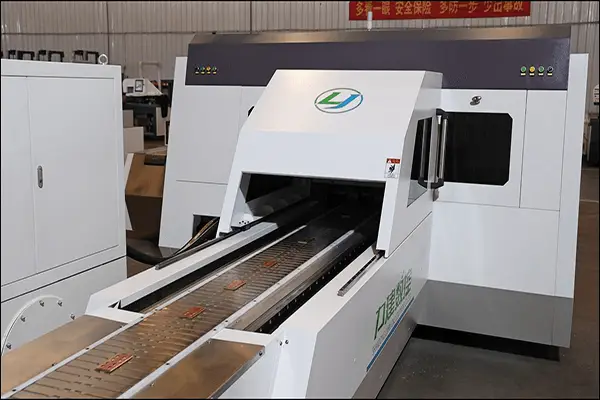
- Functionality (3-in-1 vs. Dedicated): Decide if you need a combined Punching, Shearing, and Bending machine or a dedicated bender. 3-in-1 machines save space and streamline workflow for complete processing.
- Control System (Manual vs. CNC): Evaluate your production volume, part complexity, and available operator skill. CNC machines offer higher long-term throughput for standardized parts.
- Ease of Use & Tooling: Look for user-friendly controls, easy tool change systems, and readily available standard tooling. Good after-sales support for training is a plus.
- Safety & Build Quality: Ensure the machine has essential safety features (two-hand operation, guards, emergency stop) and is built from high-quality materials for durability and stability.
Safety First: Essential Operational Guidelines
Always prioritize safety:
- Ensure proper operator training on machine functions and hazards.
- Never bypass safety guards or interlocks.
- Wear appropriate Personal Protective Equipment (PPE) like safety glasses and gloves.
- Follow a regular maintenance schedule as per the manufacturer’s manual.
- Keep the work area clean and organized.
Conclusion & Final Recommendation
A busbar bending machine is more than just a tool; it’s a strategic investment that enhances capability, quality, and profitability in electrical manufacturing.
For small to medium workshops with diverse, custom orders, a robust manual or hydraulic 3-in-1 machine offers the best balance of flexibility and value.
For larger manufacturers or shops specializing in high-volume, repetitive parts, a CNC busbar processing center will deliver unparalleled speed, precision, and return on investment through automation.
By carefully assessing your specific needs against the factors outlined above, you can choose the machine that will become a reliable powerhouse in your production line for years to come.
Keywords: Busbar Bending Machine, Copper Busbar Machine, CNC Busbar Bender, Busbar Punching and Bending Machine, Electrical Panel Fabrication, Switchgear Manufacturing, Transformer Busbar, How to Bend Busbar, Busbar Processing, Hydraulic Busbar Bender.