Introduction: The Evolution Towards Smarter Switchgear Production
The competitive switchgear market constantly pressures manufacturers to improve output and consistency. While a standalone CNC busbar machine is a powerful tool, the next leap in productivity comes from integration. This article explores the tangible benefits of automating your busbar processing workflow and how this evolution positions your factory for future growth and competitiveness.
The Limitations of Manual Material Handling
Relying on operators to load heavy copper coils, position parts for secondary operations, and unload finished bundles is inherently inefficient. This manual process creates several bottlenecks.
Inconsistency and Productivity Drops
Firstly, human-paced workflow leads to variable cycle times. Operator fatigue can slow down production, especially during long runs or when handling large, heavy busbars. Additionally, manual handling increases the risk of surface scratches or dents on precision components, potentially leading to quality rejections.
The Strategic Advantage of Integration
Therefore, integrating automated material handlers with your core processing machine is a strategic upgrade. A robotic loader/unloader system can work continuously without pause. This automation ensures a consistent, optimized production pace that maximizes the output of your CNC machine. Consequently, you achieve higher throughput with the same footprint and often with reduced direct labor.
Key Components of an Automated Busbar Processing Cell
An effective automated cell involves more than just adding a robot.
The Central Processing Unit
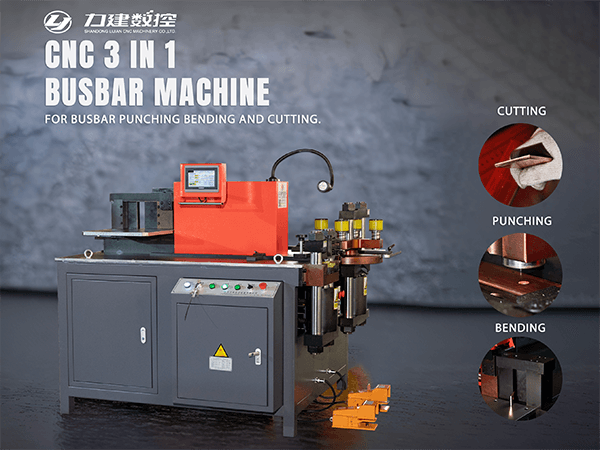
At the heart of the cell is a high-performance, reliable CNC busbar machine. For instance, LiJian® machines are designed with integration in mind, featuring standardized interfaces and robust communication protocols. This allows them to seamlessly connect with peripheral automation equipment.
Streamlining the Entire Workflow
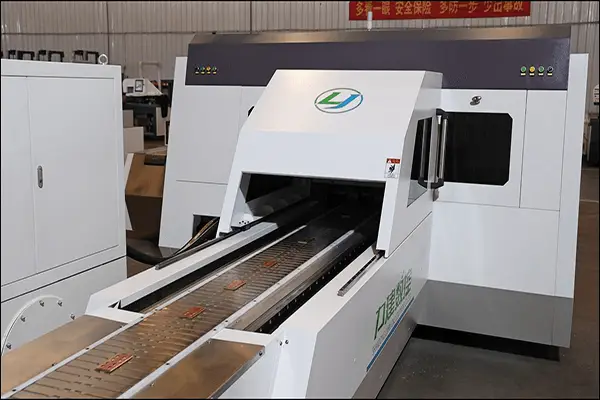
Furthermore, a complete cell can include a decoiler for automatic coil feeding, a straightener for perfect material presentation, and a conveyor or stacking system for organized part discharge. This creates a smooth, continuous flow from raw material to a finished, sorted stack of parts. The result is a dramatic reduction in work-in-process handling and a significant boost in overall equipment effectiveness (OEE).
Conclusion: Future-Proofing Your Manufacturing
In summary, transitioning from a standalone machine to an automated processing cell is a decisive step for growing switchgear manufacturers. It directly addresses bottlenecks in material handling, boosts productivity, and enforces consistent quality. By investing in integrable technology from partners like LiJian®, you are not just buying a machine; you are building a scalable, efficient production system that strengthens your market position for the long term.