Introduction: The Unique Busbar Demands of Transformer Manufacturing
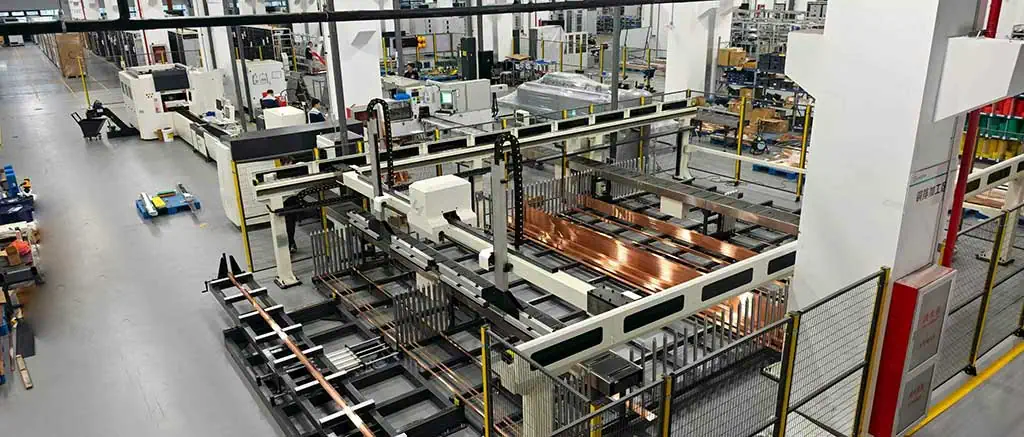
Transformer construction involves a wide variety of busbar shapes—from simple straight connectors to complex tap arrangements. Fabricating these components efficiently requires versatile and robust equipment. This article discusses the key machine capabilities needed to handle the diverse material and geometry challenges in transformer production, ensuring reliability in one of the grid’s most critical components.
Processing the Full Spectrum of Materials and Sizes
Transformers utilize both copper and aluminum busbars in a range of substantial sizes to carry high currents.
Handling Heavy-Duty Materials with Ease
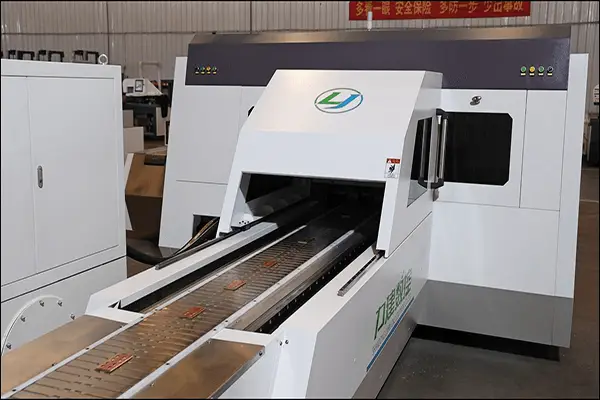
Firstly, the machine must possess formidable strength. The punching and shearing units need to cleanly process thick, wide busbars without deflection or burr formation. A machine with a low frame rigidity or underpowered hydraulics will struggle, leading to poor edge quality and accelerated tooling wear. LiJian® machines are engineered with reinforced structures and high-tonnage punches specifically for these demanding applications.
Navigating Complex Bending Requirements
Furthermore, winding taps and connection links often require precise, multi-plane bends. A machine with a sophisticated bending arm that offers multiple axes of movement is therefore essential. This capability allows operators to create complex three-dimensional shapes in a single setup, eliminating costly and error-prone secondary operations. The ability to program and replicate these intricate bends with CNC accuracy is a major advantage for transformer shops.
Efficiency and Accuracy for Custom Production
Transformer manufacturing is often a high-mix, low-to-medium volume environment where setup speed and accuracy are paramount.
The Importance of Quick-Change Tooling
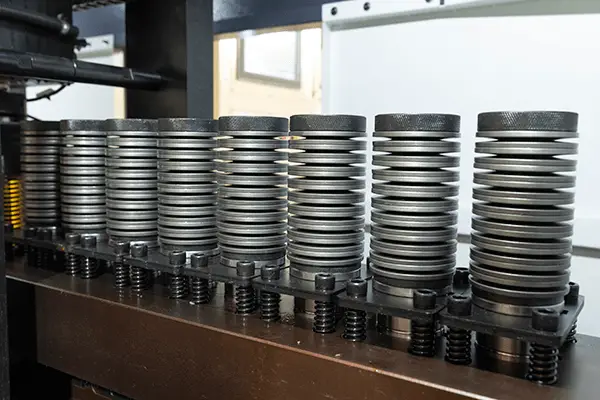
Because job changes are frequent, time spent on tooling setup directly impacts productivity. Machines equipped with quick-change tooling systems provide a significant benefit. Operators can swap punching, cutting, or bending tools in minutes instead of hours. This flexibility, a standard feature in modern LiJian® designs, allows workshops to respond rapidly to custom orders and short production runs.
Software for Managing Custom Designs
Moreover, efficient fabrication relies on software that can easily translate custom transformer drawings into machine instructions. User-friendly offline programming software allows engineers to prepare parts offline, nest them for optimal material use, and simulate the machining process. This digital workflow minimizes machine downtime for programming and ensures the fabricated parts perfectly match the designer’s intent, supporting the high-quality standards of the transformer industry.