Understanding the Role of Bus Bars in Modern Power Systems
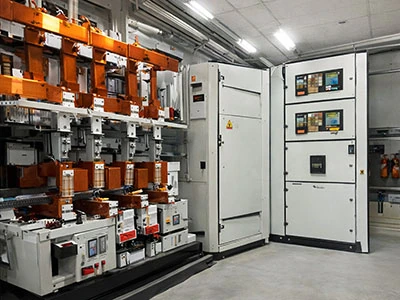
Bus bars sit at the core of electrical distribution systems. They transfer high current efficiently while maintaining compact layouts and excellent thermal stability. Compared with cables, bus bars reduce energy loss and simplify system architecture. As a result, manufacturers across power, transportation, and new energy sectors increasingly rely on accurately formed bus bars to ensure long-term reliability.
At the same time, higher power density and tighter installation spaces raise new demands. Therefore, precise bending no longer serves as an option—it becomes a necessity.
What Is a Bus Bar Bending Machine
A bus bar bending machine shapes copper or aluminum bus bars into precise angles and profiles through controlled mechanical or hydraulic force. Instead of relying on manual methods, manufacturers use these machines to achieve consistency, repeatability, and speed. Consequently, production quality improves while material waste drops.
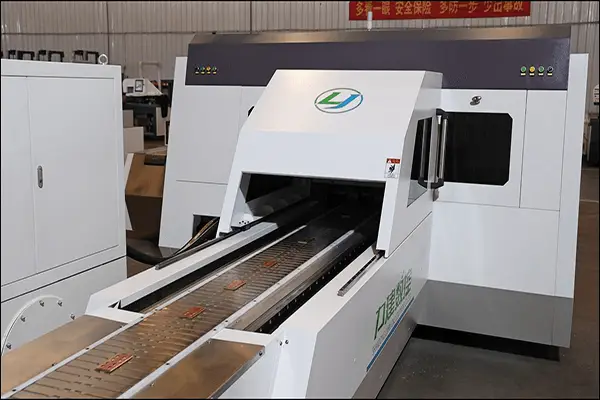
At LiJian® busbar machine, every design decision focuses on stability, accuracy, and operator-friendly performance. Thus, the machine becomes not just a tool, but a production partner.
How a Bus Bar Bending Machine Works
First, the operator measures and positions the bus bar within the bending station. Next, the bending angle and parameters are set through manual controls or CNC interfaces. Then, the machine applies steady force through precision dies, guiding the metal smoothly around the bending radius. Finally, the bar exits with clean edges and accurate geometry.
Because the process follows controlled steps, results remain consistent even during long production runs. Moreover, operators achieve reliable output across varying thicknesses and materials.
Types of Bus Bar Bending Machines
Manual Bus Bar Bending Machines
Manual models suit low-volume work and on-site adjustments. They offer simplicity and portability. However, they require higher physical effort and limit repeatability.
Hydraulic Bus Bar Bending Machines
Hydraulic machines dominate industrial environments. They deliver strong, stable force and support thicker bus bars. Therefore, they balance productivity and cost-effectiveness.
CNC Bus Bar Bending Machines
CNC machines introduce automation, digital angle control, and program storage. As a result, complex bends become easier to reproduce. These models fit large-scale production lines where precision matters most.
Core Components and Functional Design
Bending Units and Tooling
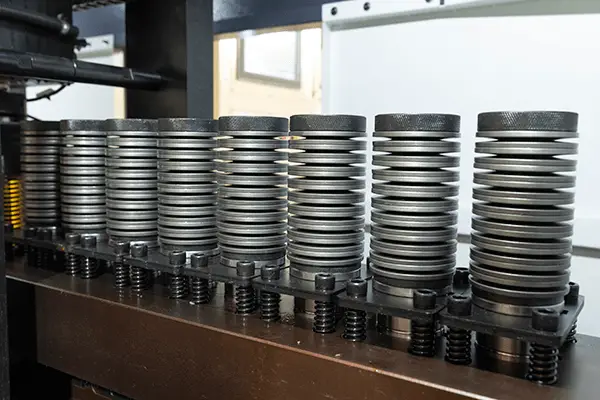
High-strength dies determine bending radius and surface quality. Consequently, proper tooling selection directly affects final performance.
Hydraulic Power Systems
Stable hydraulic systems ensure uniform pressure. Therefore, they prevent cracks, deformation, and dimensional drift.
Control Systems
Manual panels support straightforward operation, while CNC controllers allow programmable accuracy. In both cases, clear interfaces improve efficiency and reduce setup time.
The Bus Bar Bending Process Explained
Material Preparation
Accurate measurement comes first. Clean surfaces and correct alignment improve bending consistency.
Angle Setting and Execution
Next, operators set bending angles and radius parameters. Then, the machine executes the bend in one smooth motion.
Inspection and Verification
Finally, dimensional checks confirm accuracy. This step ensures compliance with electrical and mechanical requirements.
Key Technical Specifications to Evaluate
Maximum thickness and width define machine capability. Likewise, angle accuracy and repeatability influence product quality. Power requirements and energy efficiency also affect long-term operating costs. Therefore, buyers should evaluate specifications based on real production needs rather than peak values alone.
Advantages of Using a Bus Bar Bending Machine
Bus bar bending machines deliver precise, uniform results. Moreover, they accelerate production cycles and reduce dependency on skilled manual labor. At the same time, they improve workplace safety by minimizing physical strain. Consequently, manufacturers achieve higher output with lower risk.
Industries That Rely on Bus Bar Bending Machines
Power distribution systems depend heavily on shaped bus bars. Similarly, switchgear and switchboard manufacturers use them daily. Transformer factories require tight tolerances for compact enclosures. Increasingly, new energy vehicles, battery packs, and rail transit systems also demand precision-formed bus bars.
Common Bending Challenges and Practical Solutions
Cracks often occur when operators select incorrect dies or apply excessive force. Likewise, springback appears when material properties are ignored. However, proper tooling, accurate parameter settings, and material-specific adjustments eliminate most issues. Therefore, process control remains critical.
Quality Standards and Compliance Requirements
Electrical fabrication follows strict dimensional and conductivity standards. Consistent bending accuracy supports certification and long-term reliability, especially in high-voltage applications. As a result, machine precision directly influences product approval and market acceptance.
Choosing the Right Bus Bar Bending Machine
Buyers should match machine capacity with actual production demand. Next, they should consider automation level and future scalability. Ultimately, long-term performance and support outweigh initial cost. LiJian® busbar machine focuses on durable construction and stable output, helping manufacturers build sustainable operations.
Maintenance and Operational Best Practices
Regular hydraulic oil checks, die alignment inspections, and calibration preserve accuracy. Moreover, preventive maintenance reduces downtime and extends machine lifespan. Therefore, consistent care protects both productivity and investment.
The Future of Bus Bar Bending Technology
Automation continues to reshape bus bar processing. CNC integration, data-driven manufacturing, and energy-efficient designs now define the next generation of machines. As electrical systems grow more compact and powerful, precision bending technology will remain essential. In this evolving landscape, LiJian® busbar machine continues to advance reliable and efficient bending solutions for global industries.