Introduction: Navigating the Busbar Machine Market
Selecting the ideal CNC busbar processing machine is a crucial decision for any manufacturing facility involved in electrical production. With various models and capabilities available, making the wrong choice can lead to bottlenecks and reduced competitiveness. This guide, therefore, aims to clarify the key factors you must consider. By the end, you will have a clear framework to evaluate machines and identify the best partner for your operational goals, ensuring a strong return on investment.
Core Technical Specifications to Evaluate
Before comparing brands or prices, you must first understand your own technical requirements. These specifications form the non-negotiable foundation of your selection process.
Processing Capacity and Precision
The machine’s core duty is to handle your specific workload with accuracy.
- Material Thickness and Width: Firstly, confirm the machine can process the maximum copper or aluminum busbar dimensions you use. Do not overlook the minimum capacity for future, more delicate work.
- Bending and Punching Precision: For high-quality electrical assemblies, precision is paramount. Look for machines offering repeatability within ±0.1mm or better. This ensures every component fits perfectly, reducing assembly time and errors.
Production Speed and Automation Features
Throughput directly impacts your delivery timelines and overall capacity.
- Cycle Time: Analyze the machine’s speed for punching, cutting, and bending cycles. A faster machine, consequently, can handle higher volumes.
- Automation Integration: Furthermore, consider future growth. Machines compatible with robotic loaders/unloaders or integrated into a full automated busbar production line can dramatically increase output with minimal added labor.
Beyond the Machine: Critical Support Factors
A machine’s hardware is only part of the equation. The support and ecosystem around it are equally vital for long-term success.
Software and Ease of Use
Modern CNC machines are driven by their software.
- Programming Interface: A user-friendly, perhaps even offline, programming system reduces setup time and training costs. Look for intuitive software that allows for quick job changes.
- Technical Support and Training: Reliable supplier support is invaluable. Ensure the manufacturer provides comprehensive training and responsive technical assistance to minimize downtime.
Total Cost of Ownership and Supplier Reliability
Finally, look beyond the initial purchase price.
- Maintenance and Durability: Inquire about the expected maintenance schedule and the availability of spare parts. A robustly built machine from a reputable busbar machine manufacturer may have a higher upfront cost but lower long-term expenses.
- Supplier Reputation and Reviews: Research the supplier’s history. Seek out customer testimonials or case studies. A reliable partner will have a proven track record of quality and support, giving you peace of mind with your investment.
Conclusion: Making an Informed Decision
In summary, choosing the right busbar machine requires a balance of technical capability, operational efficiency, and supplier trust. Start by rigorously defining your technical needs for precision and capacity. Next, evaluate how features like automation will affect your productivity. Most importantly, assess the manufacturer’s support and the machine’s long-term durability. By following this structured approach, you can confidently select a CNC busbar processing machine that will serve as a productive and reliable asset in your factory for years to come.
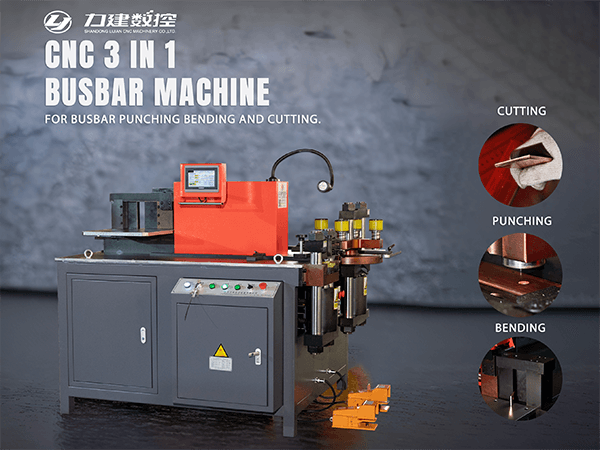
LiJian® busbar machine