Introduction to Panel Busbar Bending
Panel busbars rarely match the exact geometry required inside switchboards and distribution cabinets. Therefore, technicians often need to bend them to fit limited space, align terminals, and improve wiring layout. A precise bend saves installation time and keeps the panel organized.
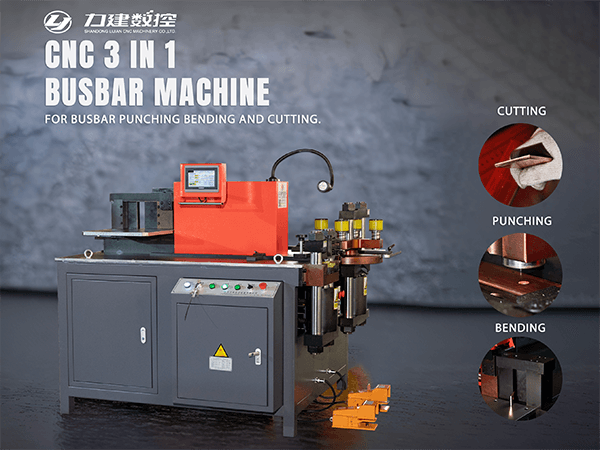
LiJian® busbar machine supports this task with stable force, accurate control, and repeatable results. With the right method, operators can bend panel busbars safely without damaging holes, edges, or surfaces.
Understanding Panel Busbar Structure
Material and Design Characteristics
Panel busbars usually consist of copper or aluminum with pre-drilled holes and defined dimensions. These features determine where bending can occur safely. Copper allows smoother bending, while aluminum requires more careful pressure control.
Influence of Holes and Slots
Holes and slots affect structural strength. Consequently, operators must select bending positions that stay clear of these areas to avoid deformation.
Key Considerations Before Bending
Distance from Holes
Always keep the bending line far from any drilled hole. Otherwise, holes may stretch or lose alignment during bending.
Thickness and Width Relationship
Thicker and wider busbars demand larger bending radii and higher force. Ignoring this relationship often leads to distortion.
Workspace Planning
Panel busbars often sit inside compact enclosures. Therefore, planning the bending sequence in advance prevents handling difficulties later.
Tools Required for the Job
Hydraulic Busbar Bending Machine
A hydraulic bending machine delivers steady and controllable pressure. As a result, operators achieve accurate bends with minimal effort.
Correct Bending Dies
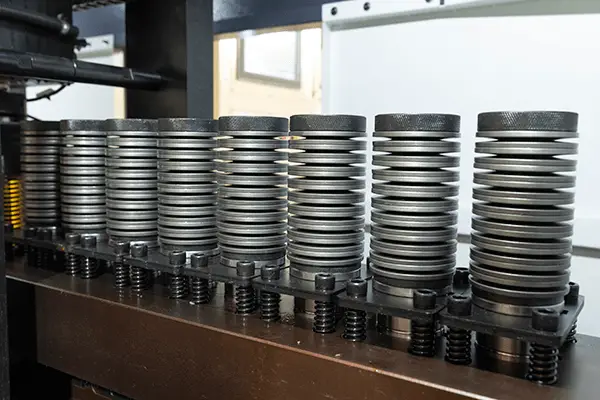
Dies determine the bending radius and protect the surface. Smooth and clean dies prevent scratches and edge damage.
Measuring and Marking Tools
Clear markings and accurate measurements ensure the bend occurs exactly at the intended position.
Step-by-Step Bending Procedure
Step 1: Mark the Bending Line
Measure carefully and mark the bending position away from holes and edges.
Step 2: Choose the Proper Die Radius
Select a die with a radius at least equal to the busbar thickness. Larger radii reduce stress and improve surface quality.
Step 3: Clamp the Busbar Firmly
Secure the busbar tightly to eliminate movement during bending.
Step 4: Apply Pressure Gradually
Increase pressure slowly while observing the bending process. Controlled force prevents sudden deformation.
Step 5: Inspect Immediately
After bending, check the angle, hole alignment, and surface condition using measuring tools.
Managing Spring-Back Effect
Copper and aluminum both recover slightly after bending. Therefore, operators should apply a small overbend to achieve the correct final angle. Testing with similar material helps determine the right compensation.
Common Problems and Practical Solutions
Hole Deformation
This problem occurs when bending happens too close to drilled areas. Proper spacing completely avoids it.
Surface Scratches
Dirty dies or debris often scratch the busbar surface. Regular cleaning solves this issue.
Incorrect Angle Formation
Misalignment with the die center usually causes angle errors. Careful positioning ensures accuracy.
Safety Practices During Operation
Operators should wear gloves and eye protection at all times. Keep hands away from the bending area during operation. In addition, check the emergency stop before starting work. Consistent safety habits protect both personnel and equipment.
Inspection After Bending
After completing the bend, examine:
- Angle accuracy
- Hole position and alignment
- Surface integrity
- Fit inside the panel space
Early inspection prevents installation issues later.
Best Practices for Reliable Results
Plan every bend before starting. Keep dies clean and smooth. Use test pieces for unfamiliar dimensions. Record successful parameters for future reference. Gradually, these habits lead to consistent and professional outcomes.
Conclusion
Operators can bend panel busbars safely and accurately with proper tools and technique. Careful planning, correct radius selection, and gradual pressure protect the material and preserve hole alignment. With the support of a LiJian® busbar machine, panel busbars adapt perfectly to complex layouts while maintaining strength, conductivity, and appearance.